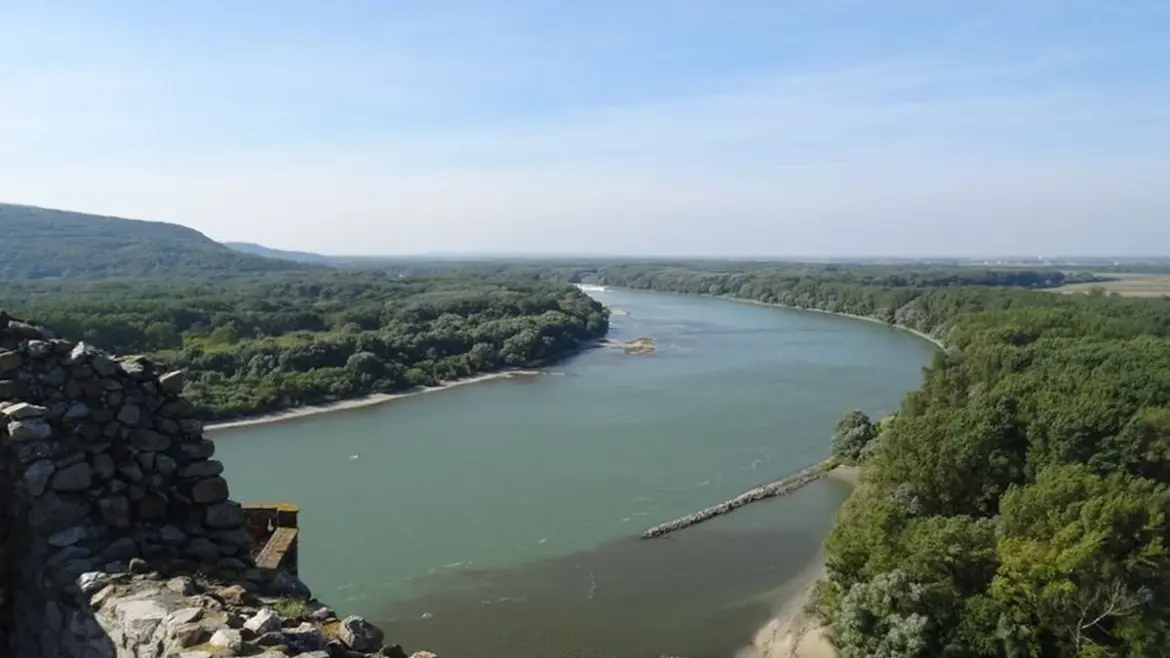
The recent low water levels in the Danube River have highlighted systemic vulnerabilities across Central and Eastern Europe. While the visibly shrinking river has caused immediate disruptions—including stranded vessels and threatened water supplies—the issue extends beyond mere drought conditions. The region’s dependence on the river system for drinking water, agriculture, energy, and industry makes the river’s health critical to regional economies.
Current low flow rates, such as those observed on the Romanian-Bulgarian stretch, represent a significant departure from historical averages, mirroring a broader economic challenge. Studies estimate that extreme weather events like heatwaves and droughts cost billions of euros annually across Europe, underscoring the need for resilience planning. The vulnerability stems from diminishing natural capacity.
While rainfall is often seen as the solution, the ability of landscapes to retain water is equally vital. Historically, natural floodplains and wetlands along the Danube and its tributaries have been significantly diminished, with over 80% lost over the last 150 years due to straightening, regulation, and draining. This has transformed natural water-retaining systems into faster, draining conduits.
Furthermore, soil health has declined due to intensive land use, which compromises the soil’s natural sponge-like ability to absorb and store water. Addressing the what is required for resilience involves acknowledging that rivers are living systems. The goal must be to plan landscapes that accommodate natural water fluctuations rather than attempting to control them, thereby strengthening both the ecological and economic capacity of the entire basin.
Topics: #danube #what #shrinking



It’s concerning to see how much these low water levels reveal about the region’s infrastructure and resource management.
What underlying factors contribute to the systemic vulnerabilities revealed by the low water levels in the Danube?