The political landscape in Serbia underwent a significant shift following the snap parliamentary election on October 25, 2026. The election saw a student-led movement, which had spent two years organizing protests, achieve a decisive victory, leading to the resignation of former President Aleksandar Vučić. While the students effectively challenged the status quo, they inherit a complex national situation, including a stalled EU integration bid, a challenging budget, and sanctions placed on the country’s major oil company.
Vučić conceded defeat shortly after polling closed, stating that the Student List had won, despite claims of a high turnout approaching 70%, the highest since the breakup of Yugoslavia. The victory was marked by a strong public engagement, with the Student List securing a majority of seats in Serbia’s 250-member parliament. The transition of power means that the new government will have a limited timeframe to convene and elect a new administration.
The student movement’s success raises questions about the future trajectory of the country. The EU has expressed support for Serbia’s path toward integration, noting that the key demands revolve around the rule of law and curtailing corruption. However, the question of foreign policy remains contentious, particularly regarding alignment with EU sanctions on Russia.
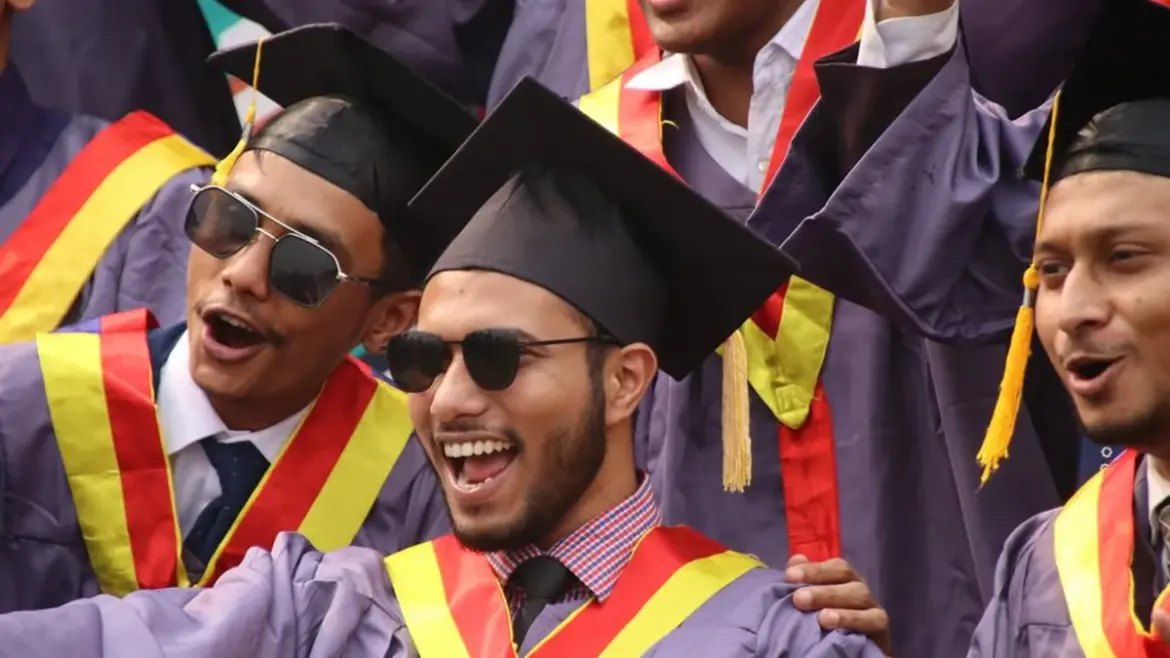
The economy also presents challenges, with growth rates slowing and foreign direct investment declining. The next graduation day for Serbia’s democratic processes will be determined by the new assembly. The ongoing political maneuvering, and who ultimately controls the levers of power, will define the nation’s direction.
The public keenly awaits the final results, marking a crucial day for the Serbian political system.
Topics: #graduation #day #who