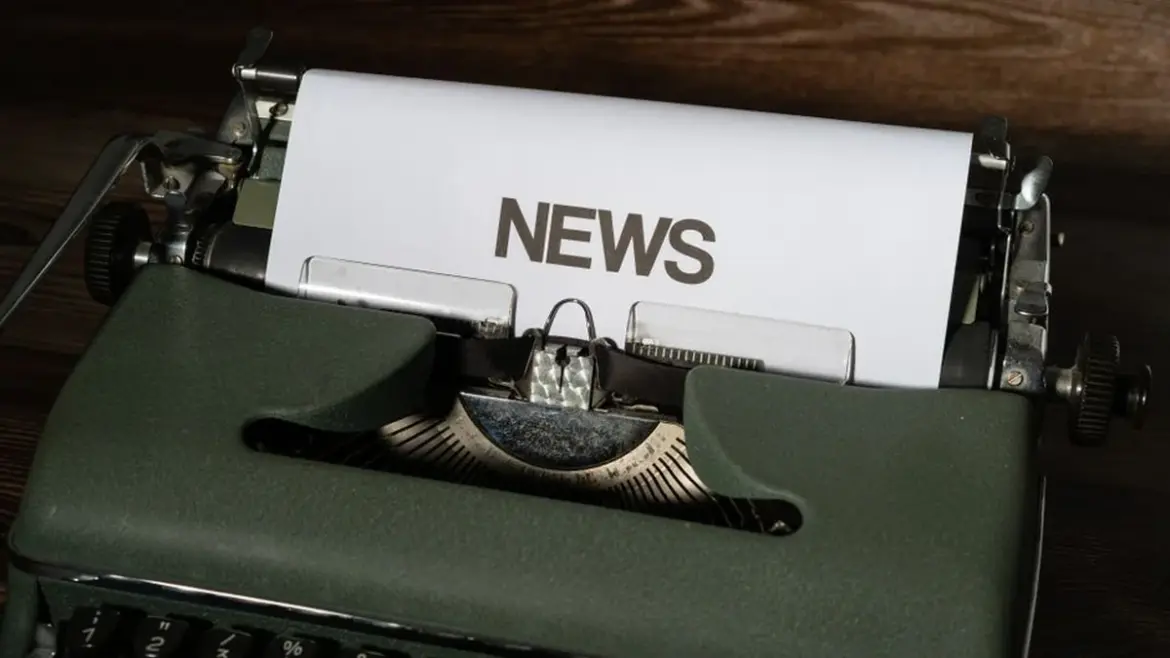
The traditional press release requires a significant reassessment in today’s media environment. Experts suggest that many organizations either over-communicate minor milestones or fail to announce major developments, leading to ineffective public relations efforts. While the sheer volume of digital content means that simple social media posts are insufficient, the formal press release format remains relevant when executed properly.
The current information landscape is characterized by content saturation and the proliferation of second-hand material, a phenomenon amplified by artificial intelligence tools. Journalists, facing tight deadlines and increased workloads, are increasingly reliant on easily digestible, usable material from pitches and press releases. Consequently, irrelevant announcements are often disregarded.
To succeed, a modern press release must transcend mere announcement status. It must function as a ready-to-file story for the reporter. Effective communication requires incorporating a desired headline, verifiable newsworthy data, and authentic, quotable insights from key personnel, rather than relying solely on generic expressions of excitement.
The core challenge remains bridging the gap between corporate communication and journalistic utility. While the mechanics of creating a press release are simple, the execution must be precise. Organizations must understand that what is communicated must be highly relevant to specific media outlets.
If the information provided is not structured to be easily integrated into a news story, the effort is likely wasted, regardless of how groundbreaking the underlying news may be. Therefore, the effectiveness of any press communication hinges on its narrative quality and targeted distribution.
Topics: #press #release #too



It seems like PR needs a major overhaul to be effective now.