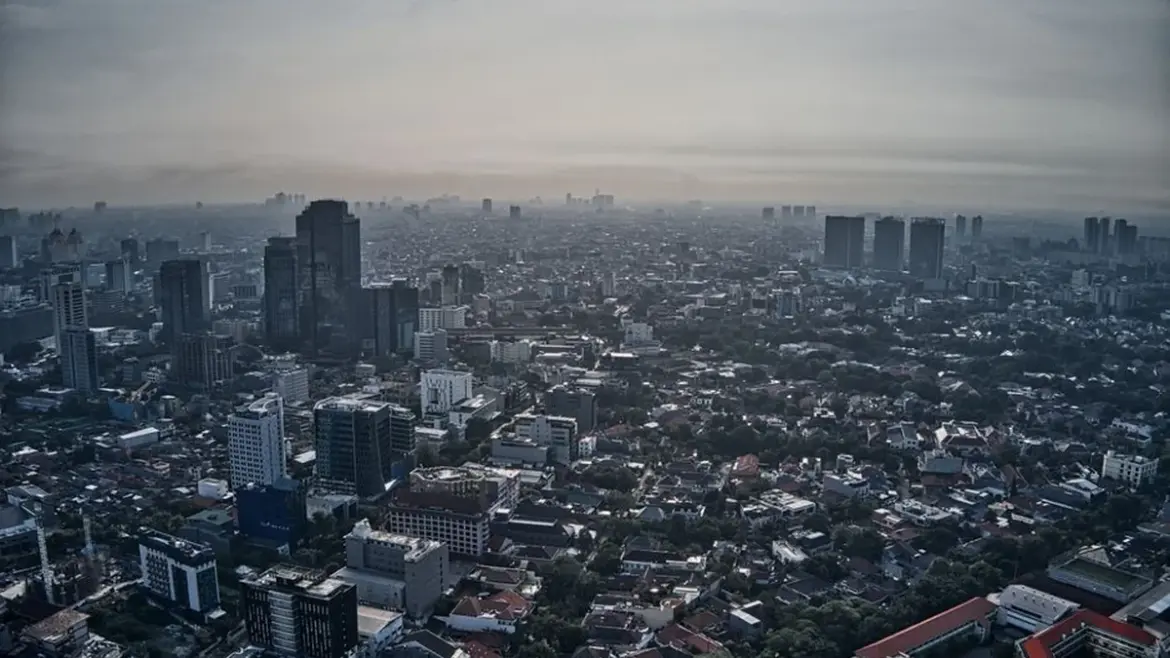
São Paulo, a major global metropolis, once spearheaded one of the world’s most ambitious urban renewal efforts by implementing the Lei Cidade Limpa (Clean City Law) in 2007. The ordinance banned much of the city’s outdoor advertising, leading to an immediate transformation in the visual landscape. While the initial impact caused economic concerns, the ban significantly altered the character of the city, making it visually distinct from many other global centers.
The removal of tens of thousands of billboards and shop signs revealed underlying architecture and preserved street art, prompting subsequent legal adjustments to protect murals. Although advertising adapted—shifting considerable spending online and indoors, or employing highly creative methods like sponsoring shadows—the debate over commercial visibility persists. Recently, the city has seen proposals to soften the original regulations, including plans for LED panels in key areas.
Defenders of the ban argue that reducing commercial clutter allows the city’s inherent character and architectural beauty to be visible, suggesting that the street should offer a visual respite. Globally, São Paulo’s experiment has drawn attention. Other municipalities, particularly in emerging European regions, are examining its limitations.
While some cities have taken decisive action, such as Poland passing a Landscape Act, the trend suggests a global consideration of how much commercial advertising should intrude upon the public sight of a major city. The ongoing dialogue highlights the tension between commercial revenue and preserving an unadulterated urban aesthetic.
Topics: #out #sight #city



It’s interesting to see how a single piece of legislation can fundamentally change a city’s visual identity.
What specific types of outdoor advertising were banned under the Clean City Law?