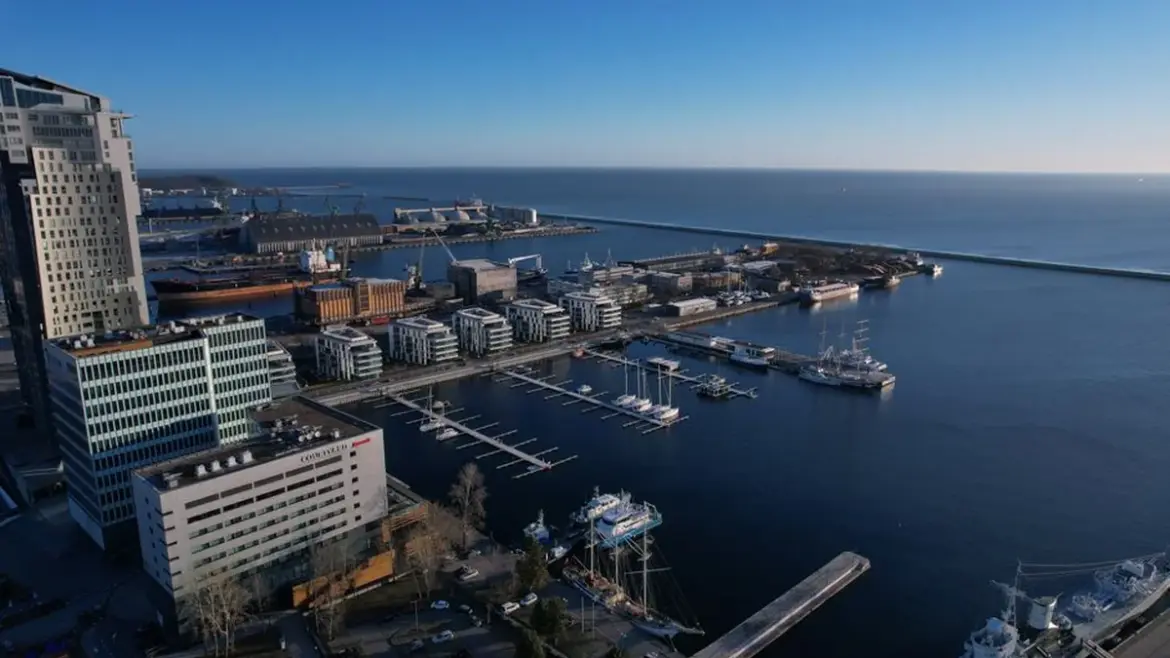
The Polish city of Gdynia is currently testing a localized, circular waste model that may offer a blueprint for waste management across Central and Eastern Europe. This effort comes as the European Commission prepares to finalize its Circular Economy Act. Since November 2023, Gdynia has participated in the Creative Circular Cities (CCC) project, a collaboration involving six municipalities across the Baltic region, co-funded by the EU’s Interreg programme.
The initiative aims to help local authorities rethink existing resources. Gdynia has concentrated its efforts on bulky waste, a stream often under-documented in EU waste statistics, despite accounting for a significant portion of municipal waste. Addressing this data gap, local partners mapped the generation and potential reuse pathways for bulky waste within the city.
This collaboration involved residents, designers, and businesses, resulting in ‘Podaj dalej – Share it,’ a prototype service connecting surplus industrial materials with commercial users. The primary goal of the Gdynia team is to develop a replicable framework. Experts suggest that a well-documented local pilot can serve as a scalable model for other cities across the europe region.
While the technical solutions are being developed, the challenge shifts to implementation. The project highlights that while local experimentation is vital, scaling circularity requires more than just a successful pilot. Key hurdles include securing financing once EU project funding concludes, especially when traditional linear disposal methods remain cheaper, and ensuring local capacity to manage complex circular systems.
Gdynia’s experience underscores the potential of grassroots innovation while emphasizing the necessity of robust policy and financial infrastructure to move circular practices from pilot status into everyday, sustainable reality.
Topics: #europe #gdynia #circular