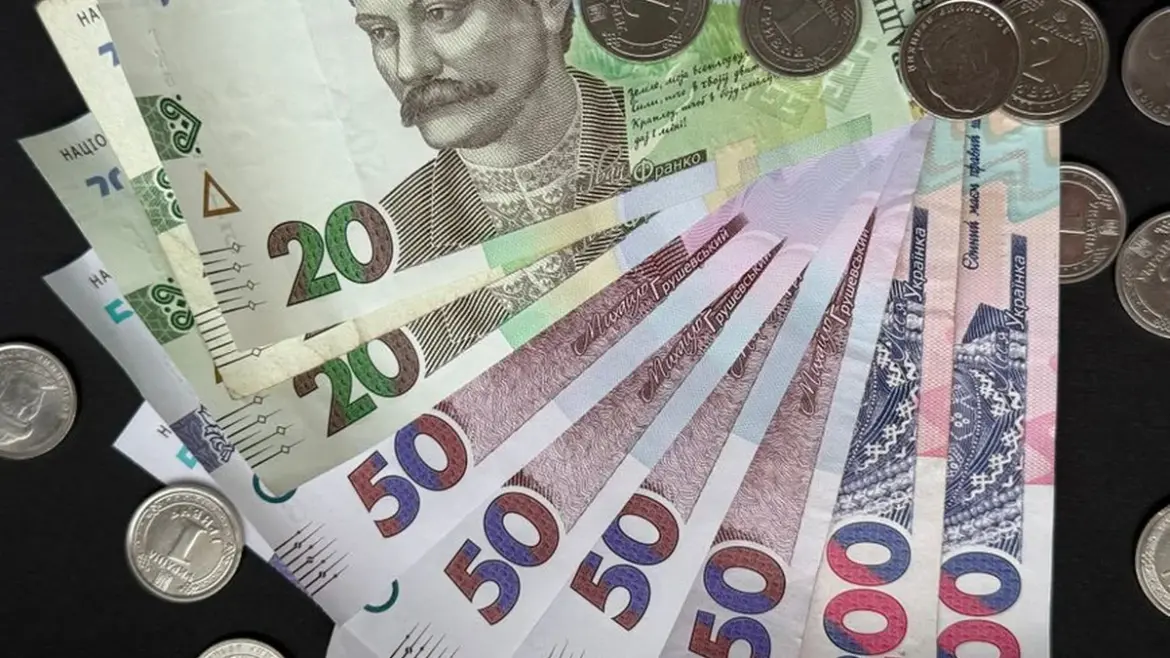
The reconstruction of Ukraine requires substantial financial resources, with international support largely contingent upon the cessation of hostilities. At the Ukraine Recovery Conference in Gdansk, the European Flagship Fund announced commitments totaling approximately €260 million, backed by first-loss equity from the European Commission and development banks from France, Germany, Italy, and Poland. However, the scale of the need remains immense.
The World Bank has assessed the damage from the conflict on Ukraine at nearly $588 billion, a figure projected to be close to three times the nation’s 2025 output. The committed funds represent only a fraction of this required money. To mobilize the necessary capital, emphasis is being placed on attracting private investment.
A key development was the signing of a war-risk insurance mechanism involving the World Bank’s guarantee arm and the U.S. Development Finance Corporation (DFC). This structure aims to mitigate risk, making it possible for the private sector to participate in the rebuilding effort.
Despite the challenges, international stakeholders are demonstrating a brave commitment to Ukraine’s recovery. Major infrastructure, particularly transport, is identified as the largest area requiring investment. While political negotiations have faced setbacks, various financial institutions, including Norfund and Dragon Capital, are actively deploying capital.
Topics: #money #ukraine #brave



What specific conditions must be met for international financial support for Ukraine’s reconstruction to become more substantial?
It’s clear that international funding for Ukraine’s reconstruction hinges directly on a ceasefire.