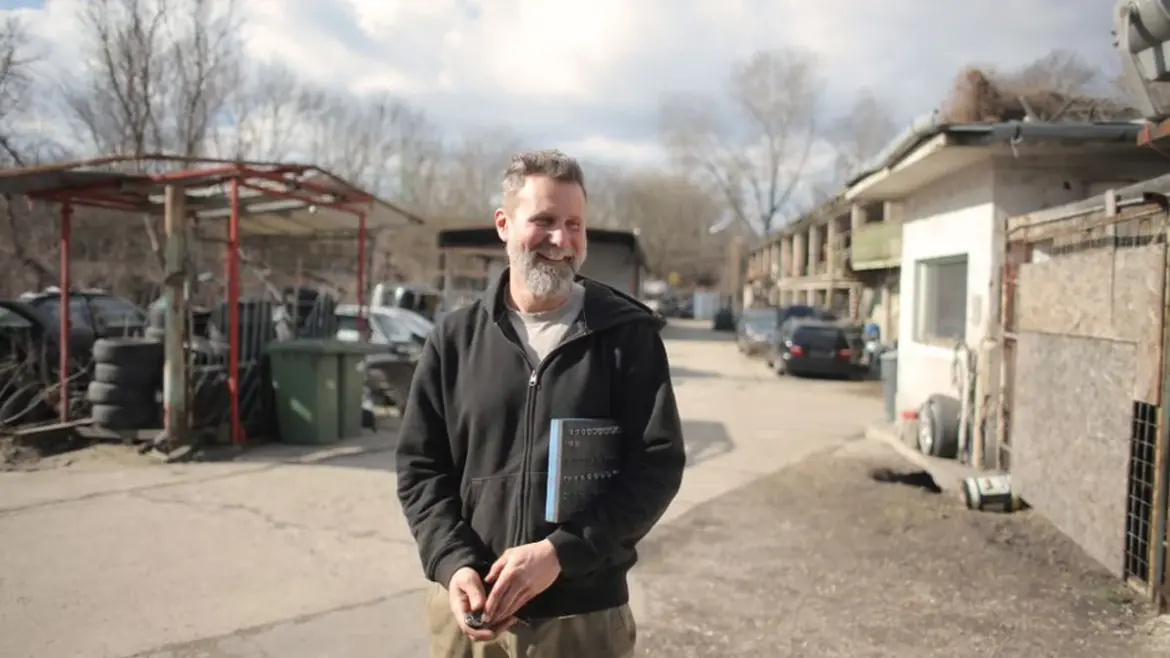
Radu Magdin, a global analyst and consultant, argues that Central and Eastern Europe (CEE) is undergoing a fundamental strategic transformation. Historically, the region’s defining goal was to “catch up” with Western Europe, a project that successfully integrated CEE into global economic structures. However, Magdin posits that this success has rendered the original ambition obsolete.
The current challenge, he asserts, is not one of catching up, but rather of helping to shape the future of Europe itself. This marks what he terms the “Second Age of Leadership” for emerging Europe. Recent global events—including the COVID-19 pandemic, the war in Ukraine, energy shocks, and the rise of AI—have fundamentally altered Europe’s geography of relevance.
These factors have repositioned CEE, transforming it from the continent’s periphery into a critical strategic center of gravity. Supply chains, energy corridors, and NATO’s security focus now heavily depend on the region. Magdin outlines five strategic resets required for regional leaders.
The most significant shift is moving from merely importing Western models to actively helping to write them. Countries like Poland, Romania, and the Baltic states are emerging as consequential hubs for security, logistics, and digital governance. Furthermore, the focus of competitiveness must shift from mere cost advantage to strategic value.
Future success, according to Radu Magdin, will depend on exporting knowledge, advanced technology, and geopolitical understanding. The role of the CEO in Europe is therefore changing from leading a transition economy to managing permanent, profound transformation.
Topics: #radu #magdin #europe



It suggests the region is moving beyond simple convergence toward defining its own unique growth path.