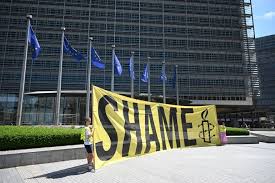
Economic interests appear to be overriding moral considerations in diplomatic relations with the Taliban regime. Evidence suggests that commercial necessity is driving engagement, a pattern observed since the beginning of June 2026, when Taliban representatives participated in economic forums. Despite international bodies issuing arrest warrants for top Taliban officials—accusing them of human rights abuses, particularly against women—neighboring states are pursuing significant trade and infrastructure deals.
Russia recognized the Taliban government earlier this year, and nations like Turkmenistan and Uzbekistan are actively planning major projects, including gas pipelines and railways, that traverse Afghan territory. This transactional approach mirrors historical precedents where geopolitical needs superseded international law. Past corporate and state entities have successfully navigated sanctions to secure resource access.
The current situation highlights that Afghanistan’s strategic location and vast, frozen central bank reserves are powerful incentives for external engagement, regardless of the governance structure. While some Western figures have voiced concerns about the ethical compromises involved in such deals, the momentum continues. The continued pursuit of trade, even amidst documented human rights concerns, suggests that for many nations and private sector company interests, the economic potential outweighs the bad optics of maintaining strict adherence to international mandates.
Topics: #bad #company #june



Diplomatic relations with the Taliban regime appear to be guided by economic interests rather than moral considerations. Evidence indicates that commercial necessity is driving engagement, a trend obs