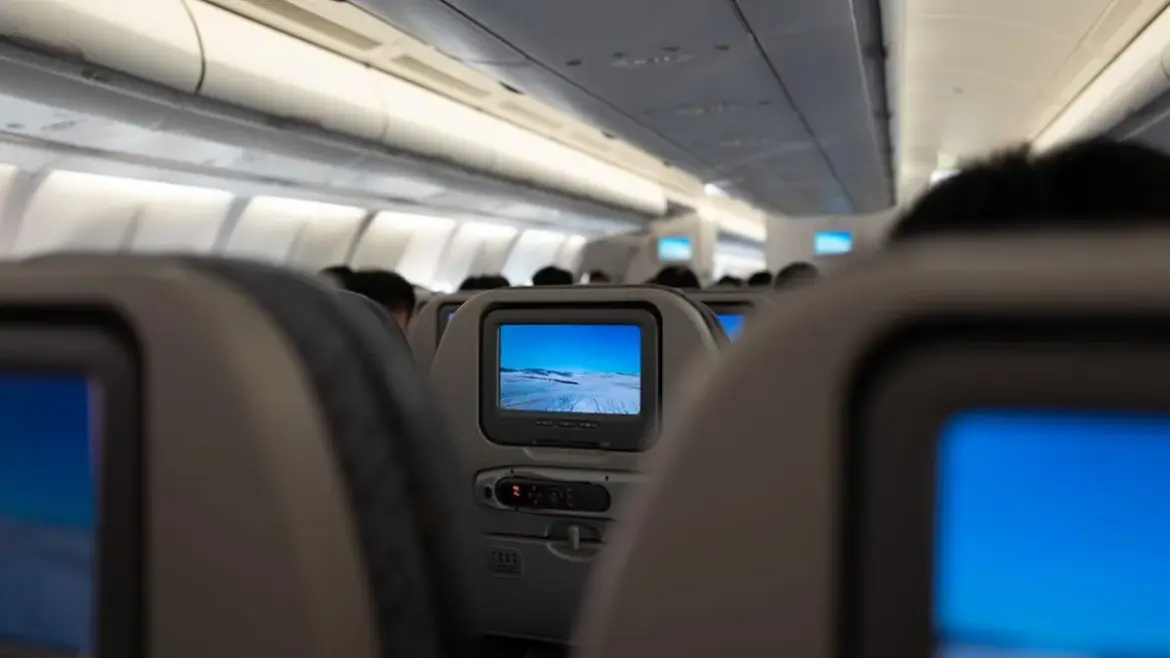
Airlines are increasingly segmenting their cabins into numerous specialized tiers, creating complex travel options that move far beyond traditional divisions between economy and business class. While historically, the premium business class ticket was justified by superior flexibility, modern carriers are differentiating services through multiple, sometimes confusing, product offerings. Leading this trend, carriers like Singapore Airlines offer five distinct class levels, while others have introduced variants such as “Business Light.” This proliferation is driven significantly by real estate efficiency and revenue generation.
Financial data supports this, as one airline reported that revenue from its premium cabins surpassed that of its main economy cabins in the last quarter, signaling a strong industry pivot toward higher-paying tiers. The profitability of premium economy is particularly noteworthy, with some carriers claiming it generates revenue per square foot comparable to, or exceeding, standard economy. This suggests that the increased revenue derived from these mid-tier upgrades outweighs the perceived comfort gap between them and full business class.
However, this complexity raises questions regarding the value proposition of premium economy. Given that the average pitch in long-haul economy has already decreased significantly, some observers suggest that premium economy may simply represent an enhanced version of what economy once was. Ultimately, the industry’s focus remains on maximizing revenue from limited physical space.
While airlines argue that amenities like enhanced meals and entertainment justify the cost, alternative suggestions for improving passenger comfort—such as adopting the low-cost model of non-reclining seats in economy—offer a potentially simpler and cost-effective path forward.
Topics: #business #class #economy